Thinking about buying a condo in Atlantic Beach? It can be a smart way to enjoy coastal living with less day-to-day upkeep, but not all condos offer the same value, protection, or long-term costs. If you want a place near the ocean that fits your lifestyle and budget, it helps to look past the view and understand the building, the association, and the realities of owning on a barrier island. Let’s dive in.
Why Atlantic Beach condo buyers need to look deeper
Atlantic Beach has a lot going for it if you want easy access to the water and a lock-and-leave setup. The town sits between the Atlantic Ocean and Bogue Sound, and it offers about 20 public beach access walkways, including the Circle access with lifeguards and several access points with parking, bathhouses, showers, and a boardwalk.
That convenience comes with tradeoffs. In summer, paid parking applies at several beach accesses, and the area can feel busier and more visitor-oriented than an inland market. When you compare condos here, location affects more than your walk to the sand.
Compare Atlantic Beach condo locations
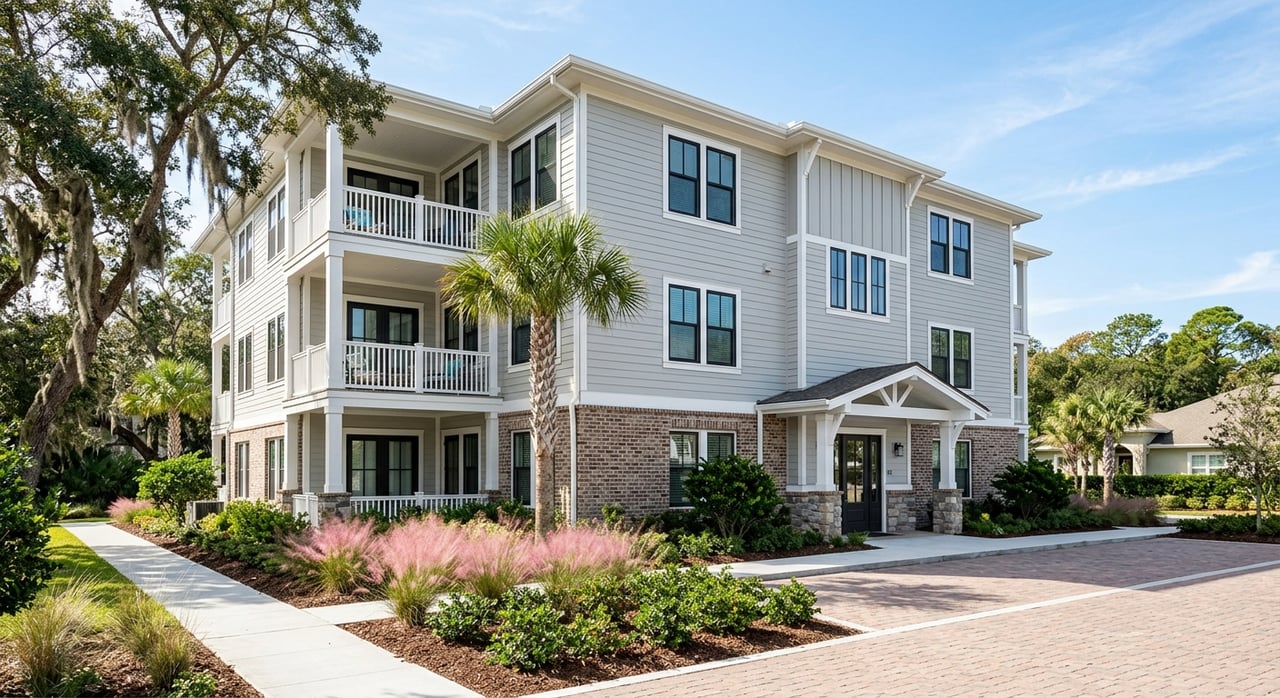
A helpful way to think about Atlantic Beach condos is by exposure and access. Many buyers naturally focus on oceanfront units first, but near-beach and more sheltered inland or sound-side locations can offer a different balance of price, maintenance, and storm exposure.
Oceanfront buildings may deliver direct views and easy beach access, but they also face more coastal exposure. A more sheltered location may give you a lower-maintenance feel, even if you trade some proximity to the beach. The right fit depends on how you plan to use the property.
Oceanfront vs near-beach tradeoffs
If you want a second home you can lock and leave, building operations matter just as much as scenery. A condo close to public access, parking, and seasonal activity may be convenient for weekend use, but it may also see more traffic and guest demand during peak months.
If you want a primary residence, you may care more about noise, parking, and storm recovery logistics. In Atlantic Beach, those practical details can shape your experience as much as square footage or finishes.
Know what the HOA actually covers
One of the biggest condo mistakes is assuming the HOA handles everything outside your walls. Under North Carolina law, condo ownership includes your unit plus shared ownership of common elements, and some features may be treated as limited common elements assigned to a specific unit.
That matters because items like balconies, porches, patios, exterior doors, and windows may not fall where you expect. Before you buy, verify exactly what belongs to the association, what belongs to you, and what falls into a gray area tied to your unit.
Ask about limited common elements
Limited common elements can create confusion for buyers. You may assume a balcony or exterior window is fully covered by the HOA, but the declaration may assign maintenance or replacement responsibility differently.
This is especially important in a coastal building where exposure to salt, wind, and storms can speed up wear. A small misunderstanding here can turn into a large expense later.
Review reserves and assessment history
A low monthly HOA fee can look attractive at first glance. But in a coastal condo market, the better question is whether the association has enough money set aside for real-world repairs and replacement.
Under North Carolina law, the association is responsible for maintaining, repairing, and replacing common elements, and it can assess owners to recover those costs. That is why reserve strength, owner delinquency levels, and any recent special assessments deserve a close look.
Why reserves matter on the coast
Buildings in Atlantic Beach deal with wind, salt air, moisture, and storm risk. Roofs, siding, walkways, and exterior systems may need more frequent attention than similar properties farther inland.
If reserves are weak, owners may face special assessments when major work comes up or when insurance proceeds do not cover the full repair bill. A condo with stronger reserves can sometimes be the safer financial choice, even if the dues are higher.
Check condo financial records carefully
North Carolina law requires associations to keep detailed financial records. They also must make annual income-and-expense and balance-sheet information available within 75 days after the end of the fiscal year, and they must provide a statement of unpaid assessments within 10 business days of request.
Those records can tell you a lot about the health of a building. Look for patterns like rising costs, large unpaid balances, or signs that the association may be deferring needed work.
Watch for unpaid assessments
If an assessment remains unpaid for 30 days or more, it can become a lien once properly filed. That does not mean every building with some delinquencies is a problem, but it does make owner payment history worth reviewing.
A condo community with too many unpaid dues may have less flexibility when major repairs arise. In Atlantic Beach, where building maintenance is especially important, that risk deserves attention.
Understand insurance before you buy
Insurance is one of the most important condo topics in Atlantic Beach. North Carolina law requires the association to carry property insurance on the common elements at not less than 80% of replacement cost, along with liability insurance.
If damage occurs, the association generally must repair or replace promptly unless certain legal exceptions apply. But if repair costs exceed insurance proceeds and reserves, the extra amount becomes a common expense shared by owners.
Ask about wind and hail coverage
On the coast, windstorm and hail coverage may be excluded from a primary homeowners policy and written separately. The North Carolina Department of Insurance explains that this coverage is often handled separately in beach and coastal areas, sometimes through the North Carolina Insurance Underwriting Association.
For a condo purchase, ask to review the master policy details and the deductibles for wind, hail, and storm damage. Then compare that with the interior and contents coverage you may need for your own unit.
Learn the flood and storm exposure
Atlantic Beach states that its dominant flooding source is wind-driven storm surge from hurricanes, tropical storms, and nor’easters. The town also notes that much of Atlantic Beach lies within a floodplain or Special Flood Hazard Area, and that flooding can occur virtually anywhere in town.
That means flood risk should be part of your condo search from the start, not an afterthought once you are under contract. You should ask for current flood-map information and explore likely insurance costs early in the process.
Why flood zones matter
If a condo is in a Special Flood Hazard Area, flood insurance may be required for homes with government-backed mortgages. Even if your lender requirements differ, the cost and availability of coverage can still affect your monthly budget and long-term comfort with the purchase.
Atlantic Beach also points buyers to Carteret County GIS flood-map comparison tools. In practice, that means you should confirm the building’s current flood exposure instead of relying on assumptions based on distance from the water.
Factor in erosion and permitting risk
Atlantic Beach ownership is not only about weather events. Coastal erosion and development rules are also part of the picture.
North Carolina DEQ says oceanfront development involves risk from storms and ongoing erosion, and coastal projects in ocean hazard areas may require CAMA review or an AEC Hazard Notice. Atlantic Beach’s materials state that the town’s entire area constitutes an Ocean Hazard Area of Environmental Concern.
What this means for condo buyers
You may not be planning to build anything yourself, but these rules still matter. They can affect future repairs, exterior projects, timelines, and building costs for the association.
That is one more reason to ask how the condo community has handled past exterior work, storm repairs, and maintenance planning. A well-run association should be able to explain its process clearly.
Separate town services from condo duties
Atlantic Beach maintains a range of public infrastructure, including beach-access construction and maintenance, boardwalks, sidewalks, bathhouses, and storm-debris removal on public property. That can make the area feel well supported.
Still, town services are not the same as condo association responsibilities. A well-kept public access nearby does not tell you whether the building itself has healthy reserves, updated systems, or a strong maintenance plan.
Ask practical lifestyle questions
A condo can look perfect online and still miss the mark for your day-to-day needs. In Atlantic Beach, practical use questions matter almost as much as location.
Start with the basics:
- What do the HOA dues cover, and what is excluded?
- How large are the reserves for repairs and replacement?
- Have there been any special assessments in recent years?
- What are the master policy deductibles for wind, hail, or storm damage?
- Are balconies, windows, decks, HVAC pads, or exterior doors owner responsibilities?
- Are there restrictions on short-term rentals, pets, guest parking, golf carts, or storage?
- Has the building had prior flood, roof, or siding claims?
- Is the property in a Special Flood Hazard Area or other ocean-hazard zone?
Newer condos need extra review
If you are considering a new or recently converted condo, review the public offering statement carefully. North Carolina law requires this statement to disclose items such as the declaration, bylaws, rules, budget, reserve amounts, special fees, insurance, warranties, pending suits, known liens, and use restrictions.
For a covered initial sale, the buyer must receive that statement before signing, and the contract can be canceled within seven calendar days after signing. For resales, the seller must provide the monthly common expense assessment and any other fees payable by owners.
Focus on fit, not just the view
The best Atlantic Beach condo is not always the one with the most dramatic ocean view. Often, it is the one with clear documents, sensible rules, solid reserves, insurance that matches the building’s risk, and a location that works for your plans in both peak season and storm season.
If you want a low-maintenance primary home or second home on the coast, careful condo due diligence can help you avoid expensive surprises. The goal is to buy with clear eyes and feel confident about both the property and the lifestyle.
If you want help comparing Atlantic Beach condos and understanding how a building’s location, HOA setup, and coastal exposure could affect your decision, Melissa Rankin can help you sort through the details with local insight and a concierge-style approach.
FAQs
What should you review before buying a condo in Atlantic Beach?
- You should review the HOA dues, reserve funding, special assessment history, insurance details, flood exposure, owner responsibilities, and any rules about rentals, pets, parking, storage, or guest use.
How do HOA responsibilities work for Atlantic Beach condos?
- In North Carolina condos, the association maintains common elements, while unit owners are responsible for their units, but items like balconies, patios, windows, and exterior doors may be limited common elements, so you need to confirm the declaration.
Why is flood risk important for Atlantic Beach condo buyers?
- Atlantic Beach says much of the town lies in a floodplain or Special Flood Hazard Area, and flooding can occur virtually anywhere in town, so flood maps and insurance costs should be part of your review early.
What insurance questions should Atlantic Beach condo buyers ask?
- You should ask about the association’s master policy, wind and hail coverage, deductibles, liability coverage, and what interior or contents coverage you may need for your own unit.
Are new condos in Atlantic Beach different from resales?
- Yes. For new or recently converted condos, North Carolina law requires a public offering statement with important disclosures, while resale sellers must provide the monthly common expense assessment and other owner fees.
How does Atlantic Beach location affect condo ownership?
- Location can affect beach access, seasonal traffic, parking, storm exposure, and how the property fits your use as a primary residence or second home.