Imagine waking up to the sound of gulls and the soft ripple of the river. You grab coffee downtown, watch boats glide along the Neuse, and start your day at an easy coastal pace. If you are weighing a move to New Bern, you likely want the real feel of daily life, from neighborhoods and commute patterns to weather, flood awareness, and things to do. This guide walks you through what it is like to live here so you can picture your routine and make informed decisions. Let’s dive in.
The feel of daily life
A typical morning in New Bern often starts along the riverfront or in the historic core. You might stroll past brick sidewalks, pause at a café, and enjoy slower traffic and a friendly, small‑town vibe. Midday, errands pull you along main corridors or back downtown, where shops and services are concentrated.
Afternoons are about options. On warm days, residents head to the water to fish, kayak, or cruise. Others tackle yard projects or meet up for appointments. Evenings and weekends bring live music, small festivals, farmers markets, and easy dinners at local restaurants. Many people take short drives to nearby beaches when the weather cooperates.
Downtown is pedestrian friendly, but most neighborhoods are car‑dependent. Public transit is limited compared to larger cities, so plan for driving as your default. The pace skews relaxed, and you will find a mix of long‑time locals, professionals, and retirees who enjoy the coastal lifestyle.
Homes and neighborhoods
New Bern offers a range of housing that reflects its history and riverside setting. Your main lifestyle decision often comes down to choosing between a walkable, historic setting and a more suburban layout with newer homes and larger lots.
Historic downtown and riverfront
In‑town streets showcase colonial, Victorian, and early 20th‑century homes with character features like wide porches and detailed trim. Lots are often smaller, and the tradeoff for charm is upkeep. Older properties can involve renovation or ongoing maintenance, which many buyers embrace for the location and ambiance.
Amenities cluster near the riverwalks and historic sites, so you can stroll to shops, restaurants, and museums. If you plan exterior changes to a historic property, review local guidelines with the City of New Bern so you understand the process before you commit.
Suburban areas and waterfront access
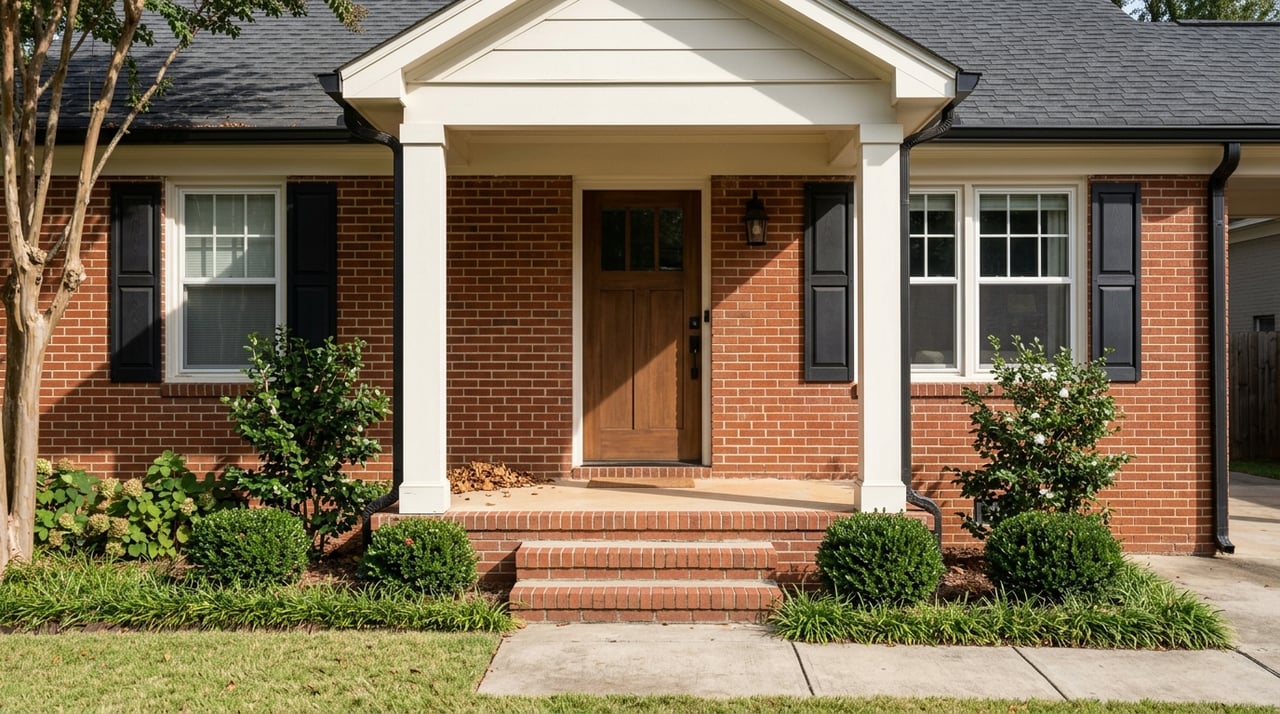
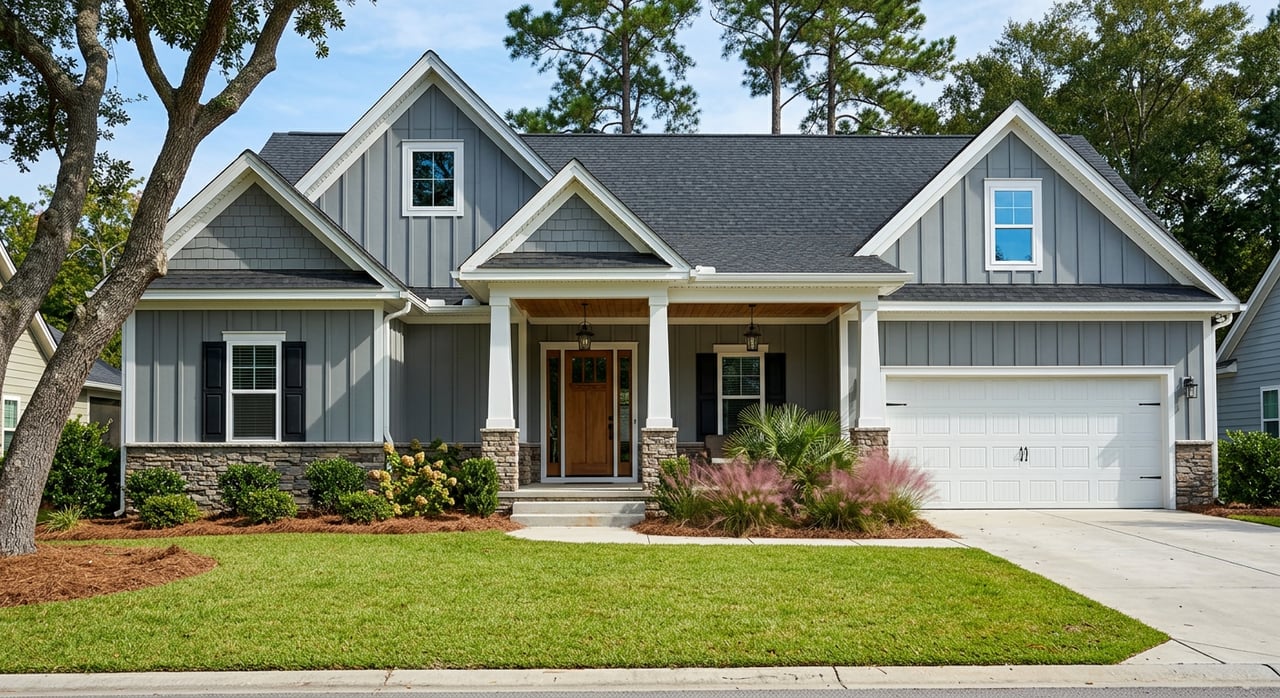
Beyond downtown, you will find mid‑century ranches, cottage bungalows, and newer subdivisions. Some neighborhoods sit along creeks or riverfront stretches, and select properties offer private docks. The variety lets you choose between move‑in‑ready homes and places with renovation potential.
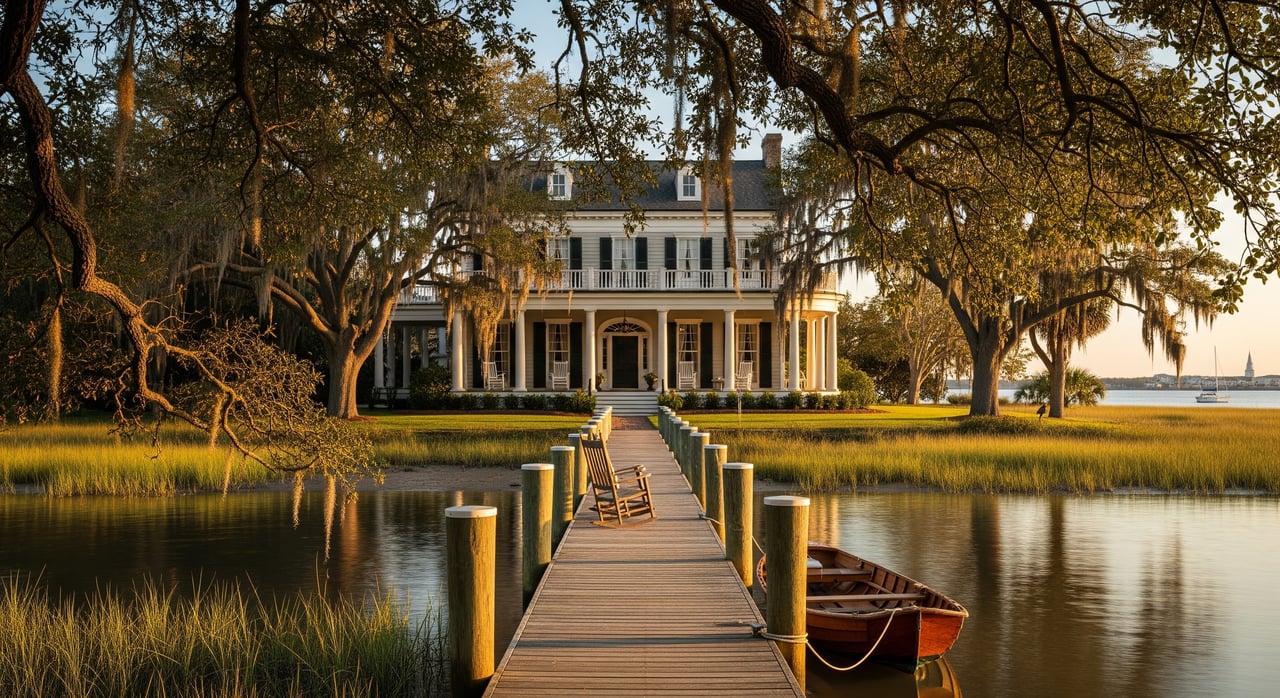
Waterfront homes often carry premium pricing and additional considerations, including dock and bulkhead maintenance and specialized insurance. If you want boat access but prefer less upkeep, consider neighborhoods with community marinas or nearby public launches.
HOAs, inspections, and maintenance
Some planned communities have homeowners associations, while many neighborhoods do not. Rules and fees vary, so verify details before you make an offer. With older homes, plan for professional inspections and budget for updates to roofing, HVAC, plumbing, or electrical systems. On the water, factor in moisture control, termite prevention, exterior paint cycles, and dock care.
Getting around and commuting
Driving is the main way to get around. Regional highways connect you to nearby towns and employers, including military and defense‑related work in the greater area. If you fly often, you will appreciate that Coastal Carolina Regional Airport (EWN) offers commercial service and easy parking for quick trips. For more routes, larger airports in Raleigh‑Durham and Wilmington are a longer drive.
Public transit options are limited. Rideshare coverage can be spotty by neighborhood and time of day. If you rely on high‑speed internet for work, check the specific address for broadband availability before you buy.
Schools and learning
Public schools are part of Craven County Schools. School performance and offerings vary by campus, so it is important to look at objective data and visit in person if possible. The state’s official NC School Report Cards provide test results, graduation rates, and staffing information to help you research.
Private and religious schools are available in the region. If schools are a priority, include drive times and extracurricular options in your planning so the daily routine works for your household.
Healthcare and everyday services
A major benefit of living in New Bern is access to regional healthcare. CarolinaEast Health System operates the primary hospital and offers specialty care, which keeps many appointments close to home. You will also find a range of primary care practices and clinics across town.
For local services, permits, utilities, and community programs, the City of New Bern and Craven County websites are good starting points. Grocery stores, pharmacies, and big‑box retailers are clustered along key roadways, while downtown features independent shops and specialty stores.
Weather, flooding, and insurance
New Bern has a humid subtropical climate with hot summers and mild winters. Hurricane and tropical storm season runs from June through November. For seasonal awareness and preparedness tips, check the National Hurricane Center.
Because the city sits at the confluence of two rivers, flood exposure varies by block and by elevation. Some areas lie in FEMA Special Flood Hazard Areas, while others are outside higher‑risk zones. Always review parcel‑specific risk using the FEMA Flood Map Service Center, and consider elevation certificates and local surveyor input during due diligence.
Insurance is an important factor in coastal markets. Lenders often require flood insurance for properties in designated flood zones, and wind or hurricane deductibles can apply to homeowner policies. Premiums and availability vary by location and home characteristics, so request quotes early in your search and compare coverage options.
Recreation, culture, and dining
New Bern blends historic charm with easy access to the water. The state historic site at Tryon Palace anchors much of the city’s story and offers events, tours, and gardens. Throughout the year, you will find festivals, arts programming, and live music.
If you love the outdoors, you can kayak, boat, or fish on the Neuse and Trent rivers, and you are a comfortable day trip from Atlantic beaches. Downtown dining offers seafood, casual eateries, cafés, and small breweries. To see what is happening this week or this season, browse the event listings at Visit New Bern.
Practical steps for buyers and sellers
Use this quick checklist to make confident decisions:
- Verify flood exposure by address with the FEMA Flood Map Service Center, and ask about elevation certificates.
- Get early insurance quotes for homeowners, wind, and flood to understand total monthly costs.
- If you are eyeing a historic home, confirm exterior change guidelines with the City of New Bern and schedule specialized inspections.
- Research school performance using the NC School Report Cards and plan test visits.
- Confirm local services, taxes, and recorded property details with Craven County.
- Check commute times and flight options at Coastal Carolina Regional Airport if travel matters to you.
Ready to explore homes and neighborhoods?
Whether you want a walkable, historic cottage or a waterfront place with room for your boat, you deserve local guidance that covers lifestyle, maintenance, and risk from the start. If you are relocating, downsizing, or buying a second home, let a concierge‑style team help you compare neighborhoods, verify details, and move with confidence. Reach out to Melissa Rankin to schedule a free consultation.
FAQs
What is the commute and airport access like in New Bern?
- Driving is the primary mode for daily errands and regional commuting, and Coastal Carolina Regional Airport (EWN) provides convenient commercial flights for quick trips.
How walkable is downtown compared with other areas of New Bern?
- The historic core and riverfront are pedestrian friendly, while most residential neighborhoods require a car for daily errands due to limited public transit.
How do I research public schools in Craven County before buying?
- Review objective data on the NC School Report Cards and schedule campus visits to assess programs, commute, and extracurricular fit.
What should I know about flood risk near the rivers in New Bern?
- Flood exposure is location specific; check the FEMA Flood Map Service Center, consider elevation certificates, and get insurance quotes early in your process.
What types of homes are most common in New Bern neighborhoods?
- You will see historic cottages and early‑century homes downtown, plus mid‑century ranches, bungalows, and newer subdivisions in suburban areas, with select waterfront options across the region.