Selling a waterfront home in Brices Creek can feel different from selling any other property. You are not just pricing square footage and finishes. You are also presenting views, outdoor living, flood-risk details, and the kind of daily lifestyle buyers hope to find on the water. If you want to attract serious buyers and protect your sale from avoidable surprises, the right prep matters from day one. Let’s dive in.
Start With Brices Creek, Not Broad County Averages
Brices Creek is a small market, and that matters when you set expectations. As of April 2026, Realtor.com showed 30 homes for sale, a median listing price of $472,495, a median 47 days on market, and a 98% sale-to-list ratio. The same source also noted that homes sold for an average of 2.18% below asking in March 2026, which points to a balanced market rather than an overheated one.
That is why waterfront sellers in Brices Creek should be careful about relying on county-wide numbers alone. Craven County had a lower median sale price of $321,000 and a longer 79 days on market in March 2026, according to Redfin. If your home sits on the water, your pricing strategy should come from a narrow set of comparable Brices Creek and waterfront properties, not broad averages that may not reflect your location or buyer pool.
Price for Today’s Buyer
A waterfront home can be special, but buyers still compare value closely. In a balanced market, overpricing often costs more than it helps because it can lead to a slower launch and price cuts later. A well-supported list price gives you the best chance to attract early interest while staying competitive.
Your pricing strategy should account for more than just the house itself. Lot position, water views, outdoor usability, updates, condition, and any flood-related factors can all influence what buyers are willing to pay. In Brices Creek, where inventory is limited, getting that pricing story right from the start is especially important.
Lead With the Waterfront Lifestyle
When buyers shop for a waterfront home, they are often buying a way of living as much as a floor plan. They want to picture mornings on the porch, evenings by the water, and how the outdoor spaces function day to day. That means your marketing should treat the exterior as a major selling feature, not an afterthought.
National staging research from NAR in 2025 supports that approach. The report found that photos were highly important to buyers' agents, along with physical staging, videos, and virtual tours. It also identified outdoor and yard spaces as commonly staged areas, which is especially relevant for a waterfront property in Brices Creek.
Show How Outdoor Space Lives
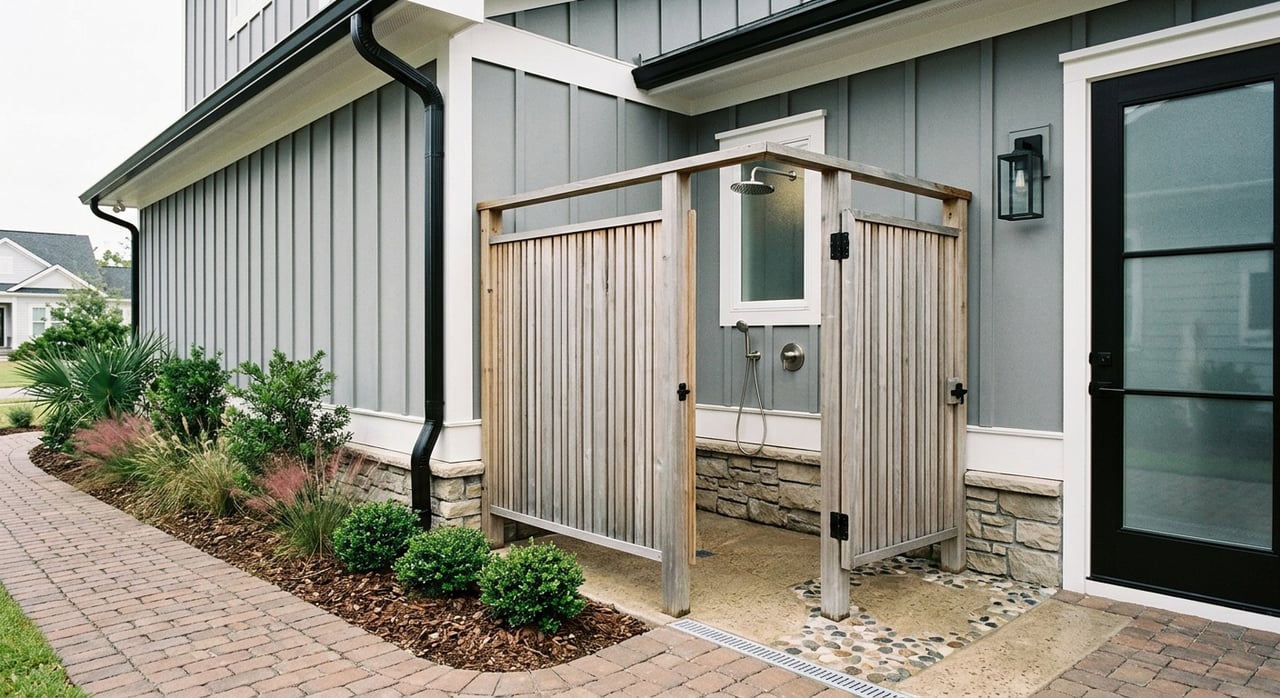
If your home has a deck, dock, patio, porch, lawn, or water-facing seating area, those spaces should be clean, simple, and easy to understand. Buyers need to see how they can use the property, not just admire a nice view in the background. A few thoughtful touches can help the outside feel like an extension of the home.
Focus on spaces that photograph clearly and feel move-in ready. Keep furniture neat, clear away visual clutter, and make paths, stairs, and shoreline-facing areas look open and usable. For many waterfront listings, the exterior story helps create the emotional connection that gets buyers to schedule a showing.
Prepare the Home Before You List
The most useful early steps are often the simplest. NAR's 2025 staging research found that decluttering, deep cleaning, and curb appeal work were the most common seller recommendations. Those steps can make your home feel larger, brighter, and better cared for without requiring a major renovation.
For waterfront homes, condition matters both visually and practically. If buyers notice peeling paint, damaged trim, worn exterior surfaces, or deferred maintenance, they may wonder what larger issues are hiding underneath. Tackling visible issues before you list can strengthen buyer confidence and reduce friction during negotiations.
Fix or Disclose Known Issues
North Carolina requires honesty about material facts. The North Carolina Real Estate Commission makes clear that known material facts must be disclosed, even if a seller chooses no representation on parts of the formal disclosure forms. If something changes and a disclosure becomes inaccurate, it must be corrected.
That means your pre-listing walk-through should be candid. If there are condition concerns, decide early whether you will repair them or disclose them clearly. Either path is usually better than letting buyers discover an issue late in the process.
Get Flood and Permit Information Early
Waterfront homes often come with extra due diligence, and buyers usually ask those questions early. FEMA identifies the Flood Map Service Center as the official online source for flood hazard maps, and North Carolina's FRIS is the state's flood-risk system used through local county resources. Flood risk can change over time, so current information matters.
Flood insurance pricing can also vary based on factors such as distance to the water source, elevation, flood frequency, heavy rainfall, storm surge, and rebuild cost. Even when a buyer loves the home, uncertainty around these items can slow a sale. Gathering the basic documents and property information before you list can help you answer questions with confidence.
Why Repair Planning Matters
In Craven County, substantial-improvement rules can affect repair decisions. The county states that reconstruction, rehabilitation, additions, or other improvements that equal or exceed 50% of a structure's market value can trigger elevation and construction standards under NFIP substantial-improvement rules. The same applies to substantially damaged buildings.
This is one reason waterfront sellers should think carefully before starting large pre-listing projects. A repair plan that seems straightforward at first can become more complex once local floodplain rules apply. Reviewing your options early can help you avoid delays and budget surprises.
Check Septic and Well Records
If your property uses septic or a private well, collect the permit history as early as possible. Craven County says site plans are required for new septic systems, new wells, septic flow increases, septic-use changes, and foundation changes that may affect a septic system or well. Existing septic permits may be available through GIS or by request.
This paperwork may not be the most exciting part of selling, but it can become very important during due diligence. Having records ready helps reduce uncertainty and gives buyers a clearer picture of the property. On a waterfront listing, that kind of preparation can make the transaction feel smoother and more professional.
Handle North Carolina Disclosures Correctly
For most one- to four-unit residential properties in North Carolina, sellers must provide the Residential Property and Owners' Association Disclosure Statement and the Mineral and Oil and Gas Rights Mandatory Disclosure Statement before an offer is made. If the home is subject to an HOA or mandatory covenants, that must be disclosed as well. Timing matters here, so it is best to prepare these documents before your listing goes live.
Even though sellers can choose no representation on some questions, that does not remove the need to disclose known material facts. For a waterfront home, where buyers may have questions about flood history, repairs, permits, systems, or site conditions, accurate paperwork helps set the tone for a cleaner transaction.
Market Fast and Market Well
You do not always need to wait for a perfect season to sell. National timing data suggests spring can be strong, with Realtor.com naming April 12 through 18 as the best week to sell in 2026 and Redfin pointing to late April as a generally favorable window, though timing can vary by city. In Brices Creek's balanced market, however, precise pricing and a strong launch often matter more than waiting for a dramatic seasonal advantage.
That launch should include strong visuals and a clear story. NAR's 2025 research found that buyers' agents place high importance on photos, staging, videos, and virtual tours. For a waterfront property, that means highlighting both the home and the way the site lives from the water side.
What Buyers Need to See
A strong Brices Creek waterfront listing should make it easy for buyers to understand the property quickly. Your marketing should answer practical questions while also helping buyers connect emotionally with the home.
A useful launch often includes:
- Professional photos that highlight both interior features and water-facing spaces
- Clean, staged outdoor areas that feel functional and inviting
- Clear property details about systems, site features, and any known restrictions
- Pricing based on close local and waterfront comparables
- A ready plan for handling disclosure documents and buyer questions
Choose an Agent Who Understands Waterfront Sales
Not every listing comes with flood maps, septic records, waterfront positioning, and local permit questions. A Brices Creek waterfront sale can involve more moving parts than a typical transaction. That is why local experience matters.
An agent with waterfront, renovation, and permitting knowledge can help you think through pricing, pre-listing repairs, property presentation, and disclosure timing. They can also help you avoid common mistakes, like spending money in the wrong place before listing or launching without key records in hand.
A Smart Waterfront Sale Starts Before the Sign Goes Up
The best waterfront sales usually look effortless to the buyer because the prep happened early. When your pricing is grounded in Brices Creek data, your exterior spaces are shown with purpose, and your flood, septic, well, and disclosure details are organized ahead of time, you put yourself in a stronger position from the start.
If you are thinking about selling a waterfront home in Brices Creek, a local strategy can make a real difference. The right guidance helps you move with more confidence, avoid preventable delays, and present your property in a way that matches what buyers are looking for. When you are ready for a tailored plan, connect with Melissa Rankin for a free consultation.
FAQs
What makes selling a waterfront home in Brices Creek different?
- A waterfront sale often involves more than pricing the home itself. Buyers may also focus on views, outdoor living, flood-risk information, permit history, septic or well records, and how the site functions day to day.
How should you price a waterfront home in Brices Creek?
- You should use a narrow set of local waterfront and Brices Creek comparable sales when possible. County-wide averages can be helpful for context, but they may not reflect the value of a waterfront location.
What flood information should sellers gather for a Brices Creek waterfront home?
- Sellers should review current flood hazard information through official map resources and gather any useful property details that may affect buyer questions, such as elevation-related information, insurance context, and prior permit records if available.
Do North Carolina sellers need disclosure forms before listing a home?
- For most one- to four-unit residential sales, North Carolina requires sellers to provide the required disclosure statements before an offer is made. If the property is in an HOA or has mandatory covenants, that must also be disclosed.
Why do septic and well records matter when selling a waterfront property in Craven County?
- If the home uses septic or a private well, buyers may want permit history and related records during due diligence. Gathering that information early can help avoid delays and make the transaction smoother.
When is the best time to sell a waterfront home in Brices Creek?
- Spring can be a strong time to sell, but there is no single perfect week for every property. In Brices Creek, accurate pricing, strong marketing, and a well-prepared launch may matter more than waiting for a different season.